
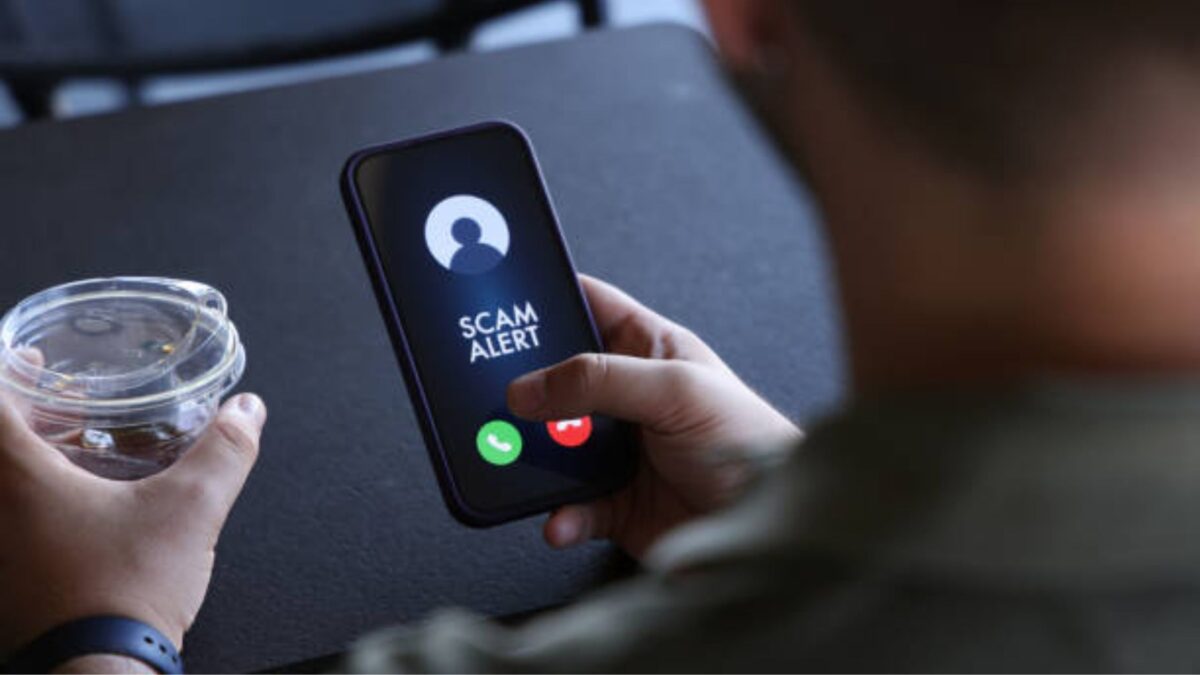

Beware: These Phone Numbers Could Be Cyber Fraud Traps! Here’s What You Need to Know
In today’s digitally connected world, cyber fraud has become one of the fastest-growing threats to personal security. With the increasing penetration of smartphones and internet access, cybercriminals are exploiting new techniques to deceive people, especially through fake phone calls 📞 and fraudulent messages 💬. Despite active government monitoring and interventions from telecom operators, thousands still fall victim to these dangerous scams every year.
One of the most alarming developments in this domain is the use of VoIP (Voice over Internet Protocol) calls. These internet-based calls allow fraudsters to mask their real location and identity using VPNs 🔐, making it nearly impossible for authorities to trace them. These scams are often initiated from numbers starting with +697 or +698, and picking up such calls can lead to severe consequences — including financial loss and identity theft. 🚨
To counter this, the Indian government has introduced various safety measures, including the Chakshu Portal 🛡️ under the Sanchar Sathi initiative, where individuals can report suspicious calls and messages. This empowers citizens to take immediate action and contributes to collective cybersecurity.
This article will help you understand how these scams work, what signs to look for, and how to protect yourself using the latest tools available. Stay informed, stay alert, and share this knowledge to keep your loved ones safe from cyber fraud.
📈 The Rise of Fake Calls and Messages in India
Over the past few years, the number of people falling prey to spam calls and phishing messages has skyrocketed. Even after the Telecom Regulatory Authority of India (TRAI) introduced policies to block such content at the network level, cybercriminals continue to evolve and find new ways to bypass security systems.
According to data released by Airtel, millions of fake calls are being blocked every month through the use of AI-driven spam filters 🤖. However, despite technological efforts, the problem persists — and in some cases, it’s growing.
🌐 How Cybercriminals Use VoIP and VPNs to Trick You
VoIP, or Voice over Internet Protocol, allows individuals to make calls over the internet rather than using a traditional phone network. Fraudsters favor VoIP because:
- It is cheap
- It allows for international number masking
- It is difficult to trace
To make things worse, scammers use VPNs (Virtual Private Networks) to hide their real IP address, location, and identity. This makes law enforcement‘s job incredibly difficult.
📵 Numbers like +697 and +698 are major red flags. These prefixes are commonly used by cybercriminals. If you receive a call from one of these numbers, do not answer, and absolutely do not share any personal details.
📢 What NBTC (Thailand’s Telecom Authority) Has Revealed
Thailand’s NBTC (National Broadcasting and Telecommunications Commission) has issued warnings regarding a surge in fake international calls coming from +697 or +698. These are almost always VoIP-based scam attempts.
These fake calls are often used to:
- Collect sensitive personal data
- Steal banking credentials
- Trick users into making payments
- Spread malware through links or app suggestions
🌍 Since the scammers operate internationally, tracking them becomes almost impossible. Thus, prevention and awareness are your best defense.
🧠 What to Do If You Receive a Suspicious Call
If you receive a suspicious call, especially from +697 or +698:
- ❌ Do not pick up
- ❗ Never share personal info like PAN, Aadhaar, or OTPs
- 🔁 Block and report the number immediately
- 🛡️ Use call-blocking apps with AI capabilities
📲 Chakshu Portal: Your Shield Against Cyber Fraud
To tackle the rise in spam and fraudulent communication, the Indian government has launched the Chakshu Portal — available via the Sanchar Sathi website and as a mobile app.
✅ How to File a Complaint on the Chakshu Portal
- Visit the official Sanchar Sathi Website
- Go to the Chakshu Portal section
- Enter the details of the suspicious call or message
- Follow the simple instructions provided
💡 Pro Tip: The more people report fake calls, the stronger the system becomes at identifying and eliminating threats.
🚀 Why You Must Stay Alert – And Help Others Too
Scammers don’t just target the tech-savvy — they prey on the elderly, students, and people who are unaware of digital threats. Educating others about:
- Recognizing spam numbers
- Avoiding fake offers
- Being skeptical of urgent requests
can help build a more secure digital ecosystem for everyone. 💪
❓ Frequently Asked Questions (FAQs)
1. What are VoIP calls, and why are they dangerous?
VoIP calls are internet-based calls that allow scammers to hide their location and identity. They’re often used for cyber fraud because they’re hard to trace.
2. How can I identify a fake call?
Look for unknown numbers, especially those starting with +697 or +698. If the caller asks for personal info, it’s a red flag.
3. Is the Chakshu Portal safe to use?
Yes. It’s a government initiative created to help users report spam and fake calls.
4. Can telecom companies block all spam calls?
While many calls are blocked using AI, cybercriminals constantly evolve. That’s why user vigilance is still essential.
5. What if I accidentally shared information?
Immediately contact your bank, change your passwords, and file a cybercrime complaint at https://cybercrime.gov.in
🏁 Conclusion: Stay Smart, Stay Safe
Cyber fraud is evolving, but so are the tools to combat it. With awareness, smart practices, and government support like the Chakshu Portal, you can protect yourself and your community from falling into the traps of online scammers. Always remember: when in doubt, don’t answer.


