
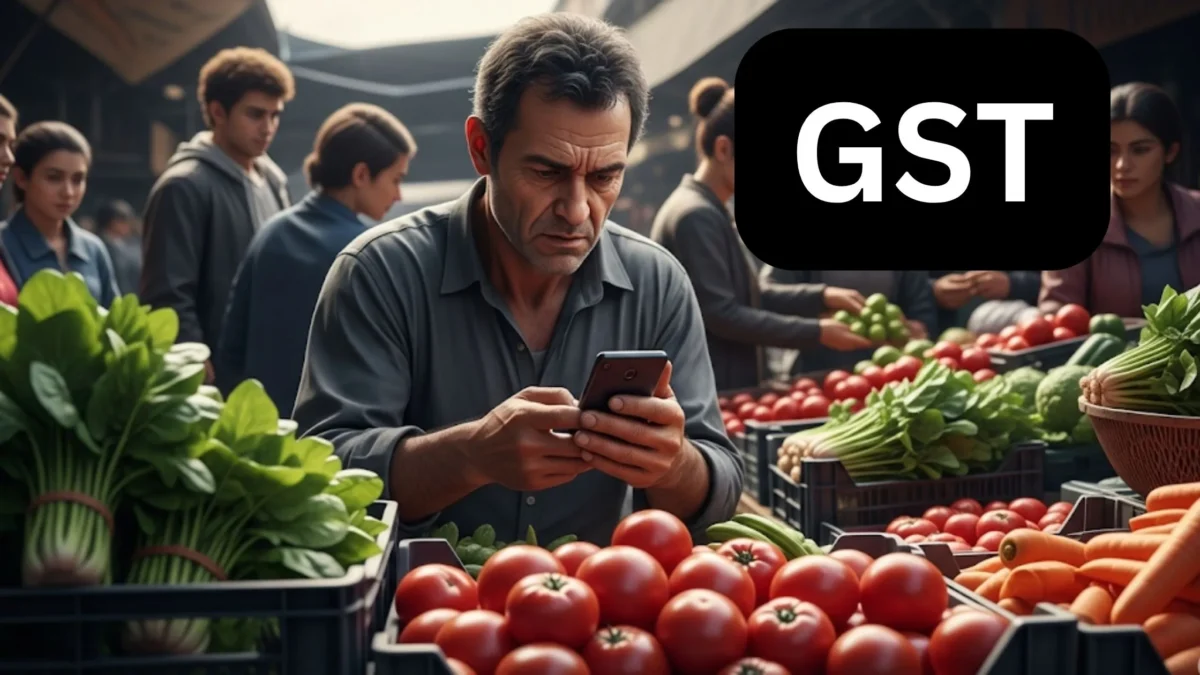

Karnataka Vegetable Seller Faces ₹29 Lakh GST Notice 😱: How UPI Payments Sparked a Tax Nightmare
In a digital world where UPI payments are becoming the norm, a simple vegetable vendor’s life took an unexpected turn. In a shocking incident from Karnataka, a humble vegetable seller, Shankargowda Hadimani, received a Goods and Services Tax (GST) notice of ₹29 lakh. His only mistake? Accepting UPI payments from customers.
This story not only sheds light on the increasing scrutiny of digital transactions in India 🧾 but also raises serious concerns about the consequences small traders might face for embracing digital India. Let’s dive into the entire incident and uncover the lessons it holds for small business owners and consumers alike.
The Incident: How a Vegetable Seller Landed in Tax Trouble 💸
Shankargowda Hadimani, a small vegetable vendor from Haveri, Karnataka, has been running his business for the last four years near a municipal high school. His customers, like most urban buyers, preferred paying digitally via UPI and other e-wallets. Over the years, these transactions amounted to ₹1.63 crore—an amount that triggered a red flag in the GST department’s system.
On receiving this transaction data, tax authorities sent him a GST notice of ₹29 lakh 💥. The reasoning? Any seller conducting high-volume transactions must pay GST as per turnover limits set by the department.
Shankargowda, who buys vegetables directly from farmers and sells them fresh and unpackaged, was completely taken aback. As per law, such items are exempt from GST unless they are branded or packaged. His business model didn’t fit the taxable category, yet digital payments made it appear otherwise.
“How Can I Pay ₹29 Lakh? It’s Impossible!” – The Vendor’s Emotional Response 😞
Speaking to the media, especially India Today, a shocked Shankargowda said:
“I sell vegetables sourced directly from local farmers. Most people pay me via UPI because hardly anyone carries cash these days. I file my ITR every year and maintain records. I don’t know how I’ll manage this amount. It’s impossible for me.”
His statement reflects the distress and fear faced by many small vendors who’ve adopted digital tools to streamline their businesses but now face legal complications.
Why UPI Payments Triggered a GST Notice? 💳
Let’s break it down:
- Digital footprints 📱: UPI payments leave behind a traceable transaction history.
- Transaction volume 🔍: Over four years, these transactions totaled ₹1.63 crore.
- GST threshold 📊: Small vendors crossing the GST registration limit (currently ₹20 lakh for service providers and ₹40 lakh for goods suppliers in most states) come under scrutiny.
- Misinterpretation ⚠️: Even though fresh vegetables are GST-exempt, the gross value of digital transactions may appear to authorities as taxable income.
So, while Shankargowda was technically compliant, the digital visibility of his income without proper classification made it look like taxable business turnover.
The Fear Among Small Traders: UPI Declined, Cash Preferred 💵
Shankargowda’s ordeal sent shockwaves across the local trader community. Many small business owners, especially vegetable and fruit vendors, started refusing UPI payments and returning to cash-only transactions.
Why?
- Fear of getting similar tax notices
- Lack of awareness about digital transaction audits
- Mistrust in the tax system
This shift is a massive blow to India’s push for a cashless economy 💻 and raises a red flag about the readiness of small businesses for financial digitalization.
Karnataka GST Department’s Stand on Digital Surveillance 🕵️
On July 12, the Karnataka GST department clarified that it is closely watching digital transactions of traders. Authorities stated that:
“Traders whose total turnover—regardless of cash or UPI—exceeds the prescribed GST limits will be liable to register and pay GST.”
The surveillance intensified after reports surfaced that vendors were trying to evade GST by only accepting cash. On July 17, officials warned that tax will be applicable irrespective of payment mode—cash, card, or UPI.
This means digital transparency alone isn’t the problem—lack of GST registration despite exceeding turnover limits is.
GST Rules for Vegetable Vendors: What the Law Says 📘
Under current GST norms:
✅ Exempt from GST: Fresh, unbranded, unpackaged vegetables sold directly without any processing.
🚫 Attracts 5% GST: If vegetables are branded, processed, or packed.
So, in theory, Shankargowda’s business should fall under the GST-exempt category. However, the volume of digital transactions raised suspicion, prompting a departmental inquiry.
This highlights a gap in policy awareness and how digitization without proper classification can cause unnecessary harassment.
Digital India vs. Ground Reality: Are Small Vendors Prepared? 🤔
India is rapidly pushing toward becoming a digitally empowered economy, and initiatives like UPI have made everyday transactions seamless. But cases like this show a glaring disconnect between digital policy and ground-level execution.
Most small vendors:
- Have no training in tax compliance
- Aren’t aware of turnover thresholds
- Do not understand the legal implication of UPI trails
- Fear harassment despite honest earnings
This calls for better awareness programs, simplified compliance methods, and protection of low-income vendors from unjustified tax burdens.
Conclusion: A Wake-Up Call for Small Traders & Authorities 🛑
The ₹29 lakh GST notice to Shankargowda is more than just a tax story—it’s a lesson in digital accountability. As India encourages UPI and digital payments, it must also ensure legal literacy among small traders.
Government agencies must:
- Educate traders about GST rules
- Clarify exemptions in regional languages
- Develop support cells for digital payment queries
- Avoid penalizing innocent traders for digital footprints
On the other hand, traders need to:
- Keep transaction records 📑
- Regularly file ITRs
- Seek professional help for turnover tracking
- Understand when and how GST applies
In the end, digital growth must go hand in hand with awareness and protection—or the very system designed to uplift may end up hurting those who adopt it.
FAQs 🤷♂️
Q1. Why did the vegetable seller receive a GST notice?
He received a ₹29 lakh GST notice due to UPI transactions worth ₹1.63 crore over four years, which made it appear he exceeded the GST threshold.
Q2. Is GST applicable on fresh vegetables?
No, fresh, unpackaged, and unbranded vegetables sold directly are exempt from GST.
Q3. Does accepting UPI attract GST?
No. UPI itself doesn’t attract GST. However, high transaction volumes via UPI may draw tax scrutiny.
Q4. What should small traders do to avoid such issues?
They should maintain detailed records, know their annual turnover, and understand GST applicability based on the nature of their goods.
Q5. Why are traders now avoiding UPI payments?
After this case, many fear tax notices due to UPI transaction visibility and prefer cash-only dealings to avoid complications.


